What to Expect After a Breast Cancer Diagnosis
Jan 13, 2026

Hearing the words “you have breast cancer” can be one of the most overwhelming moments of your life. In an instant, the ground beneath you feels unsteady. You may have dozens of questions, and yet struggle to find the words to ask them. Fear, disbelief, anger, or even a strange sense of calm can rush through you. However you respond, know this: you are not alone.
Every year, millions of women face a breast cancer diagnosis. Each experience is unique, but there are common steps, emotions, and decisions that come after those first few words. Understanding what lies ahead can help you feel more informed and supported as you begin this new chapter.
This article will guide you through what to expect after a breast cancer diagnosis — from the first days of processing the news, to learning about your diagnosis, building your care team, considering treatment, and finding emotional and practical support.
The First Days After Diagnosis
The first few days after receiving a diagnosis can feel like a blur. Some women describe it as “moving through fog.” Others recall feeling completely numb or in denial, as though the news couldn’t possibly be real. You may notice that your mind swings between intense worry about the future and mundane thoughts about what’s for dinner. This rollercoaster is normal.
During these early days, it’s important to give yourself permission to feel however you feel. There is no “right” way to react to a newly diagnosed breast cancer. You may want to gather as much information as possible right away, or you may need time to sit quietly and let the news sink in. Both are okay.
Practically, you’ll likely be scheduled for additional appointments — imaging, lab work, or consultations with specialists. Try not to feel pressured to have all the answers immediately. It can help to bring a trusted family member or friend with you to appointments so they can take notes and help you process later.
Above all, remind yourself that while a breast cancer diagnosis is life-changing, it is not hopeless. Advances in treatment, support systems, and survivorship resources mean you have more tools and allies than ever before.
Understanding Your Diagnosis
In the days and weeks after your initial diagnosis, your doctors will share more details about your specific type of breast cancer. These details may feel overwhelming at first, but they are important for shaping your treatment plan.
Here are some of the terms you may hear explained:
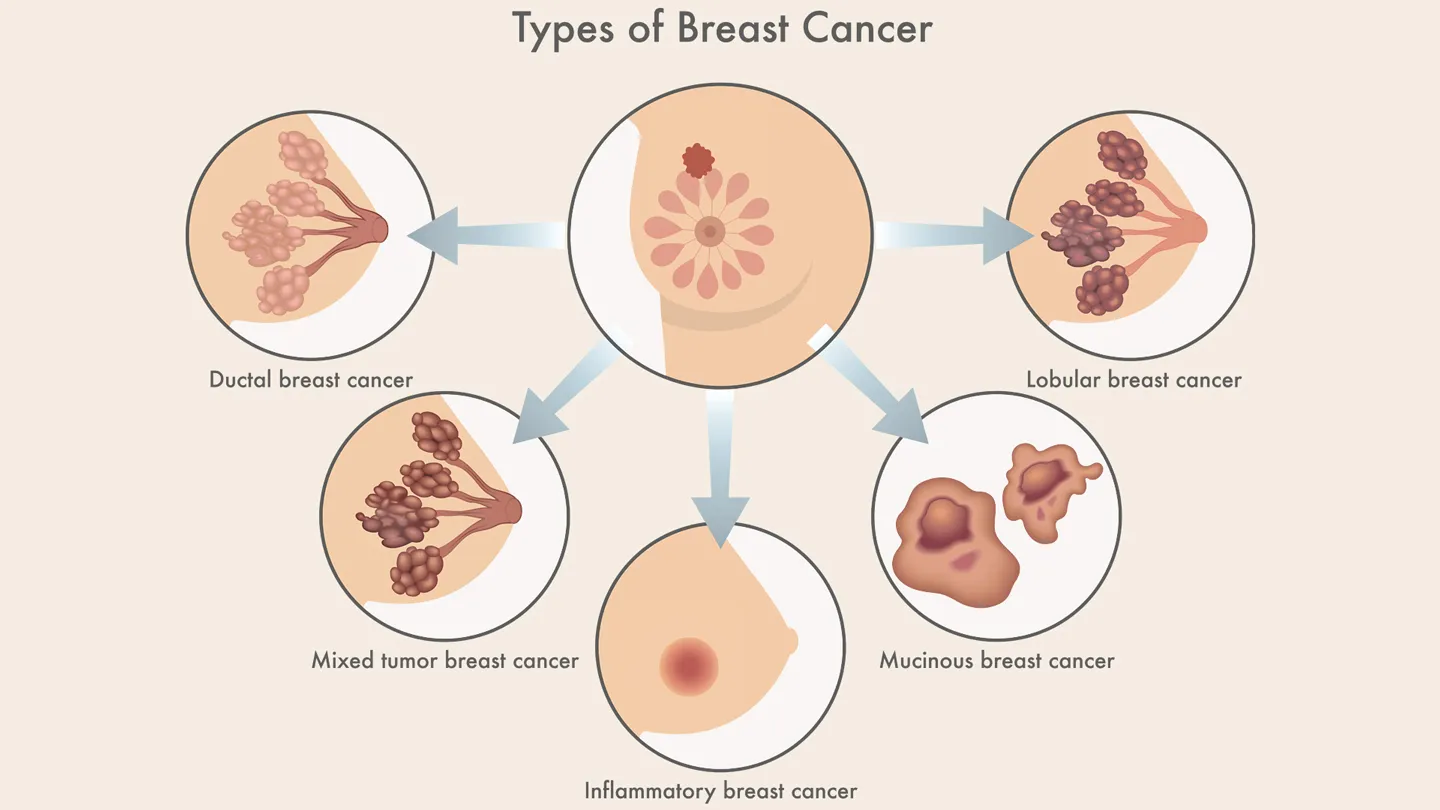
Type of breast cancer: The most common types include ductal carcinoma in situ (DCIS), invasive ductal carcinoma, and invasive lobular carcinoma. Each type begins in different cells of the breast and may behave differently.
Hormone receptor status: Some cancers grow in response to hormones like estrogen or progesterone. Knowing this helps determine whether hormone-blocking therapy may be effective.
HER2 status: HER2 is a protein that can fuel cancer growth. If your cancer tests positive for HER2, specific targeted treatments may be available.
Stage: Staging describes how far the cancer has spread, from Stage 0 (non-invasive) to Stage IV (metastatic). While hearing the stage can feel daunting, it’s simply a tool your care team uses to decide the best course of action.
If these terms feel confusing, write down your questions and ask your doctor to explain them in plain language. It’s completely reasonable to say, “Can you explain that again in a simpler way?” This is your health, and you deserve clarity.
Building Your Care Team
Breast cancer care involves many people, each with a specific role in supporting you. While it may feel overwhelming to meet so many providers, think of your care team as a network working together for your healing.
Oncologist: The doctor who specializes in cancer treatment. They will guide your overall treatment plan.
Breast surgeon: If surgery is part of your treatment, this specialist performs lumpectomies or mastectomies.
Radiation oncologist: Oversees radiation therapy if it’s needed.
Oncology nurse: Often your day-to-day support, helping explain procedures, manage side effects, and answer urgent questions.
Patient navigator or social worker: Helps you coordinate appointments, understand insurance, and access financial or emotional support resources.
Mental health professional: A counselor, psychologist, or psychiatrist can support your emotional wellbeing.
Beyond medical professionals, your support team also includes family, friends, coworkers, and peers. Don’t hesitate to ask for help — whether it’s a ride to treatment, childcare, or just someone to sit with you. Many women find it empowering to accept help and realize how many people want to walk beside them.
Planning Your Treatment
One of the most important steps after a breast cancer diagnosis is creating a treatment plan. Your plan will be personalized based on the type and stage of cancer, as well as your overall health and preferences.
Here are some of the treatments you may hear discussed:
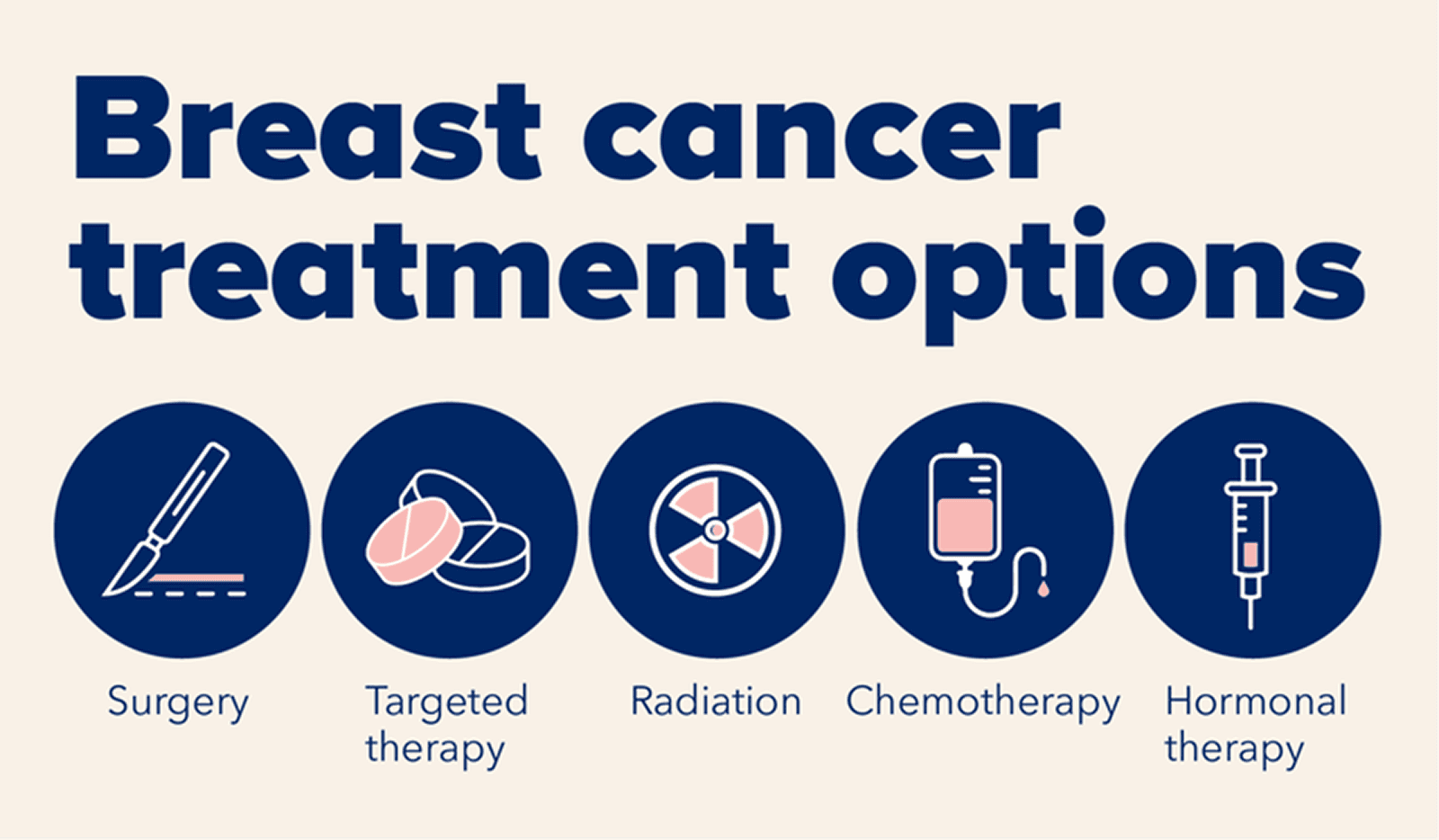
Surgery: This could be a lumpectomy (removing the tumor and surrounding tissue) or a mastectomy (removing the breast). Sometimes lymph nodes are also removed to check for spread.
Chemotherapy: Medicines given through an IV or pills that kill or slow cancer cells. Chemo can have side effects like fatigue, hair loss, or nausea, but there are supportive medications to help manage them.
Radiation therapy: High-energy rays that target and destroy cancer cells, often used after surgery.
Hormone therapy: For cancers sensitive to hormones, this treatment blocks the body’s ability to produce or use certain hormones.
Targeted therapy: Medicines that focus on specific features of cancer cells, like HER2-positive cancers.
While the medical language may sound intimidating, remember that your team is there to guide you. Take time to ask about the benefits, risks, and side effects of each option. Consider getting a second opinion if it helps you feel more confident in your choices.
It’s also wise to prepare practically for treatment. This may mean arranging time off work, organizing childcare, or setting up a system with friends to help with meals or errands. Having these supports in place can ease stress once treatment begins.
Emotional and Practical Support
A breast cancer diagnosis affects far more than your body. It touches every part of your life — your relationships, your routines, your sense of identity. That’s why emotional and practical support are as important as medical care.
At home and with loved ones: You may wonder how to talk to your children, your partner, or your parents. Honesty, in language that matches their level of understanding, often helps build trust and eases fear. Remember, you don’t have to have all the answers. Simply saying, “I don’t know yet, but I’ll share when I do,” can be enough.
At work: Depending on your job, you may need to discuss time off, treatment schedules, or workplace accommodations. Many employers have HR representatives who can guide you through medical leave policies and benefits.
Financial support: Treatment can bring unexpected costs. Social workers, nonprofit organizations, and patient advocacy groups often provide grants, transportation assistance, or help with medication expenses.
Coping tools: Journaling, meditation, gentle exercise, and creative activities like art or music can help release stress. Many women find that joining a breast cancer support group — whether local or online — brings comfort in sharing experiences with others who “get it.”
Most importantly, give yourself grace. Some days you may feel strong and hopeful; other days you may feel exhausted or scared. Both are valid, and neither defines your future.
Moving Forward with Hope
A breast cancer diagnosis is not the end of your story — it is the beginning of a new chapter. While the journey ahead may feel daunting, it is also filled with opportunities for healing, growth, and connection.
You don’t have to walk this path alone. Your medical team, loved ones, and communities like Nayara are here to guide and support you. That’s why we created Betty — to provide clear answers, day-to-day guidance, and comfort 24/7. Whether you need help understanding treatment options, managing side effects, or just someone to listen in the middle of the night, Betty is here.
No matter where you are right now, take one breath, one step, one conversation at a time. You are stronger than you know, and with the right support, you can face what comes next with courage and hope.
Subscribe to our newsletter
Clinical-Grade AI Agents Built Around Your Care Pathways
GY HEALTH TECHNOLOGY LIMITED
Gravita Aldgate Tower
2 Leman Street
London
E1 8FA
United Kingdom
Company number: 15899737
Interested in becoming a partner?
Get in touch
info@nayara.ai
Disclaimer: This website does not provide medical advice
The information, including but not limited to, text, graphics, images and other material contained on this website are for informational purposes only. No material on this site is intended to be a substitute for professional medical advice, diagnosis or treatment.
© Nayara 2026
Site by Ephny Studio